TMJ / Jaw Pain Botox in Pittsburgh, PA
Temporomandibular joint (TMJ) disorders are among the most common sources of facial pain, affecting millions of adults. While the causes of TMJ dysfunction are varied and complex, muscle overactivity — particularly in the masseter and temporalis muscles — is a major driver of pain, tension, and dysfunction in a significant subset of patients. Botox injection into these muscles offers meaningful, physician-directed relief that many patients have not found through other conservative treatments.
Understanding TMJ Disorders
The temporomandibular joint (TMJ) connects the lower jaw (mandible) to the skull at a point just in front of the ear. It is a complex joint that allows the wide range of jaw movements involved in chewing, speaking, yawning, and swallowing.
TMJ disorders (TMDs) encompass a range of conditions affecting the joint itself, the surrounding muscles, and the disc of cartilage within the joint. Symptoms include:
- Jaw pain or tenderness, especially in the muscles in front of the ear - Clicking, popping, or grating sounds when opening or closing the jaw - Limited jaw opening or jaw locking - Headaches, often in the temples or around the ears - Neck and shoulder pain - Facial pain and tightness
For many patients, the primary driver of these symptoms is not a structural joint problem but rather excessive muscle tension in the masseter and temporalis muscles — driven by jaw clenching, grinding (bruxism), or chronic stress.
Botox as a Medical Treatment for TMJ
Botox's mechanism of action — blocking neuromuscular transmission to reduce muscle contraction — makes it an effective tool for addressing muscle-driven TMJ symptoms. When injected into the masseter (primary chewing muscle) and temporalis (temporal muscle at the side of the head), Botox reduces the force and frequency of muscle contraction without eliminating normal jaw function.
The result for appropriately selected patients includes:
- Reduction in jaw pain and tenderness - Decreased muscle tightness and tension - Reduction in headaches driven by masseter/temporalis overactivity - Less frequent or severe jaw clenching and grinding - Improved comfort during speaking and eating
This treatment is not a cure for TMJ disorders with structural joint involvement, but it provides meaningful symptomatic relief for patients whose primary issue is muscle overactivity — which represents a large subset of TMD patients.
Why Physician-Led TMJ Treatment Matters
TMJ disorders are complex medical conditions that require proper evaluation before treatment. At Rayhana Esthetics, Dr. Firas conducts a thorough medical history review and clinical assessment before proceeding with any TMJ-related Botox treatment.
This assessment includes:
- Review of symptom history, duration, and severity - Evaluation of jaw opening, clicking, and locking - Palpation of the masseter and temporalis muscles for tenderness and hypertrophy - Assessment of prior treatments and their effectiveness - Discussion of any recent imaging (MRI, CT) if available
Patients whose TMJ symptoms suggest primarily joint structural pathology — rather than muscle overactivity — will be directed toward the appropriate specialists (dentists, oral surgeons, or physical therapists) rather than receiving Botox as an inappropriate treatment. This honest, medically responsible approach is central to the Rayhana Esthetics philosophy.
Combining TMJ Treatment with Aesthetic Goals
Many patients who seek TMJ Botox treatment also have aesthetic concerns related to jaw width or facial balance — and vice versa. Because the masseter and temporalis muscles serve both functional and aesthetic roles, Botox treatment for TMJ purposes often yields simultaneous cosmetic benefits:
- Masseter treatment reduces jaw clenching pain while also slimming the lower face - Temporalis treatment reduces temporal headaches while also potentially addressing temporal fullness
Dr. Firas assesses both the medical and aesthetic dimensions during consultation and develops a treatment plan that addresses your complete set of concerns. He may also recommend coordinated care with your dentist regarding bite assessment and night guard use as complementary to Botox treatment.
Benefits of TMJ / Jaw Pain Botox in Pittsburgh, PA
- Reduces jaw pain, muscle tightness, and TMJ-related discomfort
- Decreases headaches driven by masseter and temporalis overactivity
- Reduces jaw clenching and teeth grinding force and frequency
- Preserves normal jaw function and chewing capability
- Physician-directed medical assessment ensures appropriate patient selection
- May simultaneously improve lower face aesthetics
- No surgery, no downtime
TMJ / Jaw Pain Botox — Treatment Details at Rayhana Esthetics
- —Targets masseter and temporalis muscles responsible for jaw tension and pain
- —Relieves TMJ-related discomfort, jaw tightness, and muscle headaches
- —Medical-grade treatment — physician assessment and history review required
- —Conservative, evidence-based dosing preserves normal jaw function
- —Treatment time: 15–30 minutes; results develop over 2–4 weeks
Who Is a Good Candidate for TMJ / Jaw Pain Botox in Pittsburgh?
TMJ Botox is most appropriate for patients whose TMJ symptoms are primarily driven by muscle overactivity — masseter and temporalis tension, jaw clenching, or bruxism — rather than structural joint pathology. Candidates typically experience jaw pain, temple headaches, morning jaw tightness, or facial pain and tension, and have not found sufficient relief through other conservative measures. A thorough medical history review and clinical assessment with Dr. Firas is required before treatment.
What to Expect at Rayhana Esthetics in Pittsburgh
Before Treatment
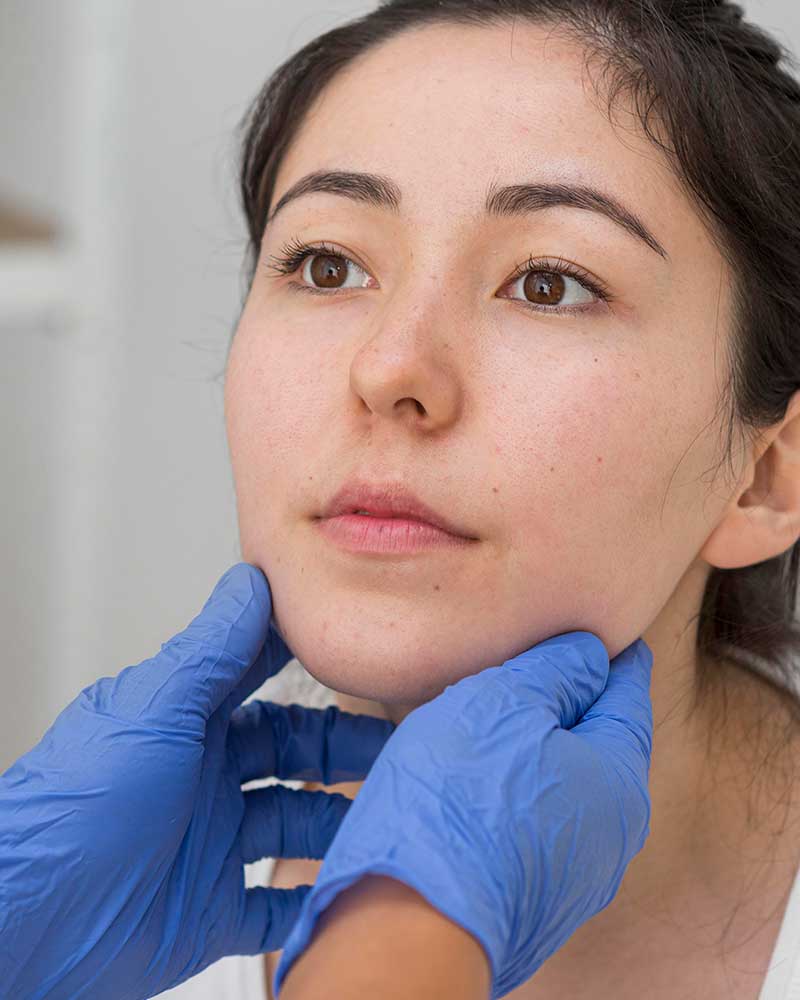
Dr. Firas will conduct a thorough review of your TMJ symptoms, medical history, prior treatments, and any relevant imaging. He will palpate your masseter and temporalis muscles and assess your jaw opening and range of motion. He will explain the expected outcomes and whether Botox is the most appropriate treatment for your presentation.
During Treatment
Injections are placed into the masseter and/or temporalis muscles at multiple anatomically identified points. Temporalis injections are placed through the temporal skin overlying the muscle. The procedure takes 15–30 minutes. Jaw muscle injections may cause moderate temporary discomfort.
After Treatment
Mild tenderness in the injected muscles for 1–2 days is normal. Avoid chewing gum or hard foods for 1–2 weeks. Symptom relief typically begins to develop within 2–4 weeks as the muscles adapt to reduced stimulation. Full benefit is typically appreciated at 4–6 weeks.
Why Choose Dr. Firas Abdulmajeed at Rayhana Esthetics?
At Rayhana Esthetics in Allison Park — serving Pittsburgh and the greater Allegheny County area — every treatment is performed exclusively by Dr. Firas Abdulmajeed, a board-certified physician with over 20 years of experience in internal medicine, neurology, and neurocritical care. His medical background gives him an extraordinary depth of neuromuscular anatomical knowledge that directly translates into safer, more precise aesthetic outcomes.
Unlike medical spas staffed by nurse injectors or estheticians, a physician-led practice means every assessment, every treatment plan, and every injection is guided by the same level of medical judgment you would expect from any clinical encounter. Pittsburgh patients choose Dr. Firas because they trust that their care begins and ends with a physician — not a sales consultation, and not a delegated injection.
Dr. Firas believes in conservative, anatomy-based dosing and honest guidance. You will never be pushed toward treatments you do not need, and you will never leave looking overdone or unnatural. The goal is always to enhance your natural appearance — refined, not transformed.