
By Dr. Firas Abdulmajeed
Jaw pain, tightness, grinding, and the tension headaches that come with them are among the most common complaints I hear from patients who have never considered aesthetics before. TMJ dysfunction is a medical condition — and Botox is an effective, non-surgical, non-opioid option that offers meaningful relief for many patients.
TMJ symptoms often come from overactive jaw muscles — particularly the masseter and temporalis. Clenching, grinding (bruxism), stress, or muscle imbalance can make these muscles chronically tight, sore, and painful. The constant tension places stress on the temporomandibular joint itself, leading to clicking, stiffness, and the characteristic aching that patients describe.
The resulting tension headaches — which often spread from the jaw up the sides of the head — are frequently misattributed to other causes, when in fact the origin is jaw muscle overactivity.
Botox relaxes the overactive muscles responsible for the pain. By reducing the constant clenching and pressure — both conscious and unconscious — the jaw muscles can finally rest. Most patients notice less pain, fewer headaches, easier chewing, and significantly more comfort within 1 to 2 weeks of treatment, with full effect by 4 to 6 weeks.
It is important to understand that TMJ Botox is a therapeutic procedure, not a cosmetic one. For many patients, jaw pain and clenching affect daily life in significant ways — disrupting sleep, making concentration difficult, causing chronic headaches, and creating fatigue in the jaw muscles by midday. Botox gives those muscles a reset that they cannot achieve on their own.
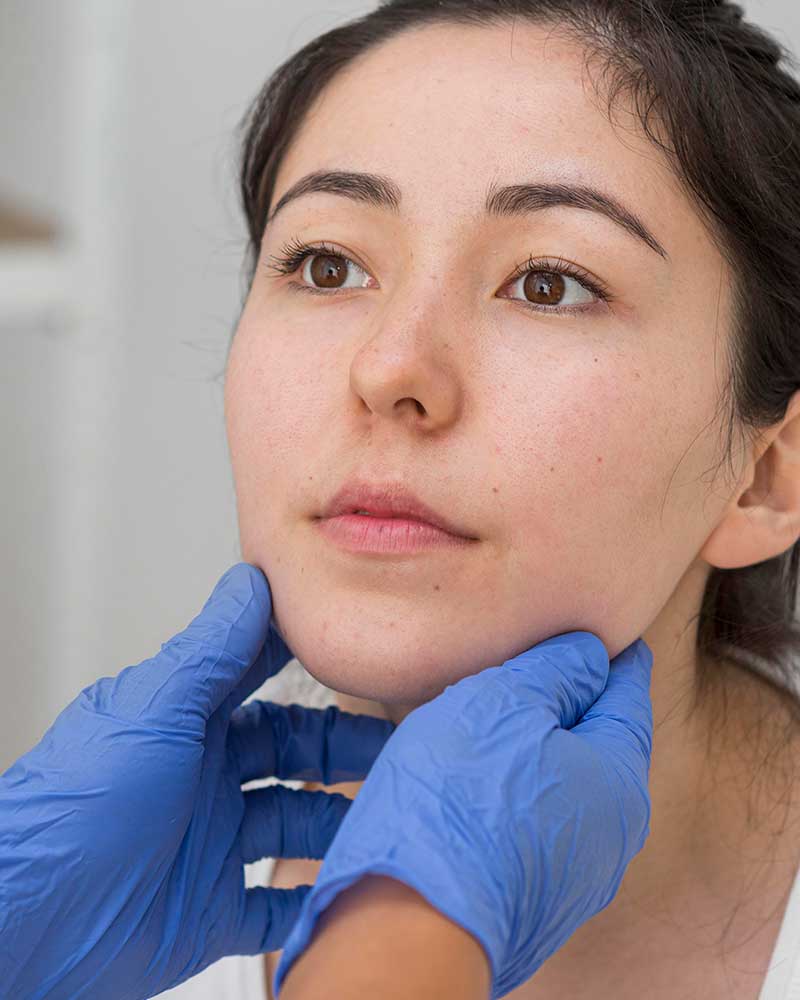
At Rayhana Esthetics, every TMJ evaluation begins with a physician-level assessment of the jaw muscles and symptom pattern. This is not simply a cosmetic consultation — it is a clinical evaluation to determine whether your symptoms are muscle-driven and how best to address them.
TMJ Botox is performed using precise, targeted injections into the masseter (and temporalis when indicated). You can still speak, eat, and smile normally — the treatment only quiets the overactivity, not normal muscle function. Most patients experience minimal discomfort during the procedure.
Results from TMJ Botox typically last 3 to 4 months. With consistent treatments over time, many patients find the muscles adapt progressively, and the frequency of treatment needed decreases over 1 to 2 years.
If TMJ pain or jaw tension has been affecting your daily life, Botox may be a simple and effective solution. Dr. Firas Abdulmajeed provides physician-level TMJ assessment and treatment at Rayhana Esthetics in Allison Park, Pittsburgh. Schedule a free consultation.
At Rayhana Esthetics